
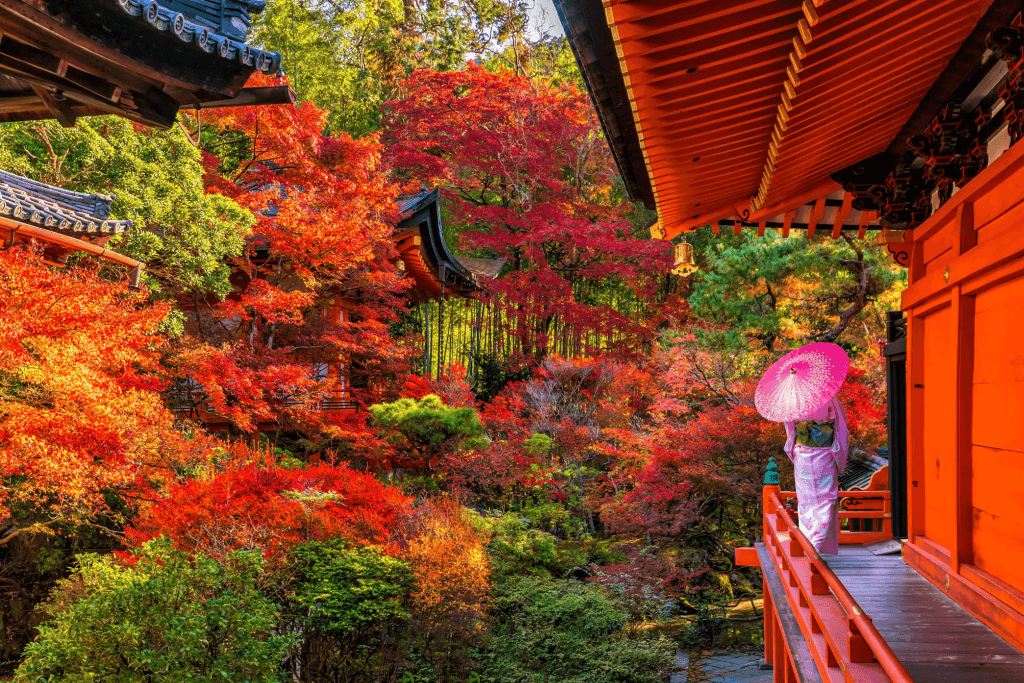
Japan’s environment is a blend of natural beauty, diverse ecosystems, and urban landscapes. Here’s an overview of Japan’s environment:
1. Geography
- Location: Japan is an island nation in East Asia, located in the Pacific Ocean. It consists of four main islands—Honshu, Hokkaido, Kyushu, and Shikoku—and numerous smaller islands.
- Mountainous Terrain: Approximately 70% of Japan’s land is mountainous, including iconic peaks like Mount Fuji.
- Coastlines: Japan has a long coastline, with many bays, inlets, and fishing villages.
2. Climate
- Japan’s climate varies significantly from north to south:
- Hokkaido (North): Cool summers and snowy winters.
- Honshu (Central): Temperate climate with four distinct seasons.
- Kyushu and Okinawa (South): Subtropical climate with hot summers and mild winters.
- Seasonal phenomena like cherry blossoms in spring and autumn foliage are culturally significant.
- Japan is prone to natural disasters such as typhoons, earthquakes, and tsunamis.
3. Natural Ecosystems
- Forests: Over two-thirds of Japan is forested, featuring coniferous and broadleaf forests.
- Wildlife: Home to diverse species like Japanese macaques, cranes, and unique marine life.
- Marine Biodiversity: Rich coastal waters support a wide variety of fish and sea creatures, crucial for Japan’s fishing industry.
4. Environmental Issues
- Urbanization: High population density in cities like Tokyo has led to habitat loss and air pollution.
- Climate Change: Rising sea levels and extreme weather events threaten ecosystems and coastal areas.
- Deforestation: While Japan has a history of forest conservation, urban expansion impacts biodiversity.
- Waste Management: Japan has advanced recycling systems but faces challenges with plastic waste.
5. Cultural and Environmental Practices
- Sustainability: Traditional practices like rice cultivation and respect for nature influence modern conservation efforts.
- Technological Advances: Japan invests in renewable energy and disaster resilience technologies.
- Parks and Reserves: The country boasts many national parks, UNESCO World Heritage Sites, and hot springs (onsen) that draw tourists.
Would you like more specific details about any aspect of Japan’s environment?
